
Hot-Jet Billet & Log Furnace
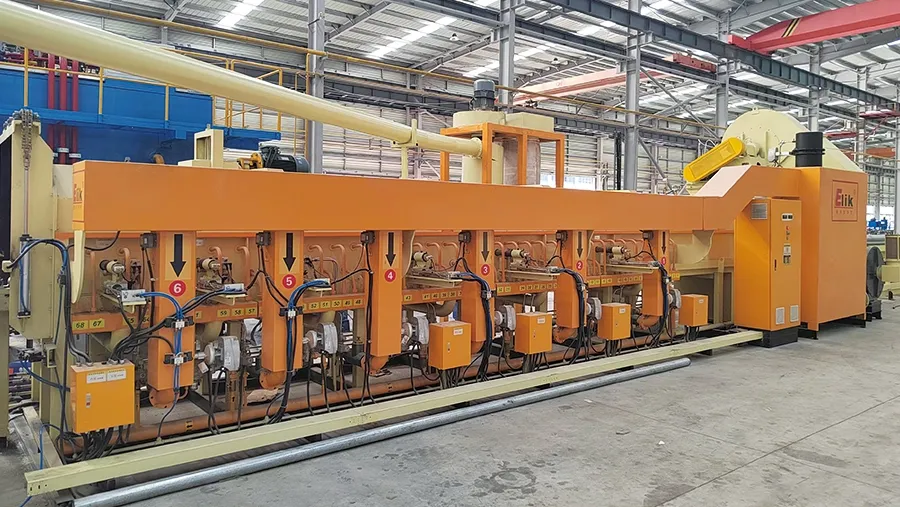
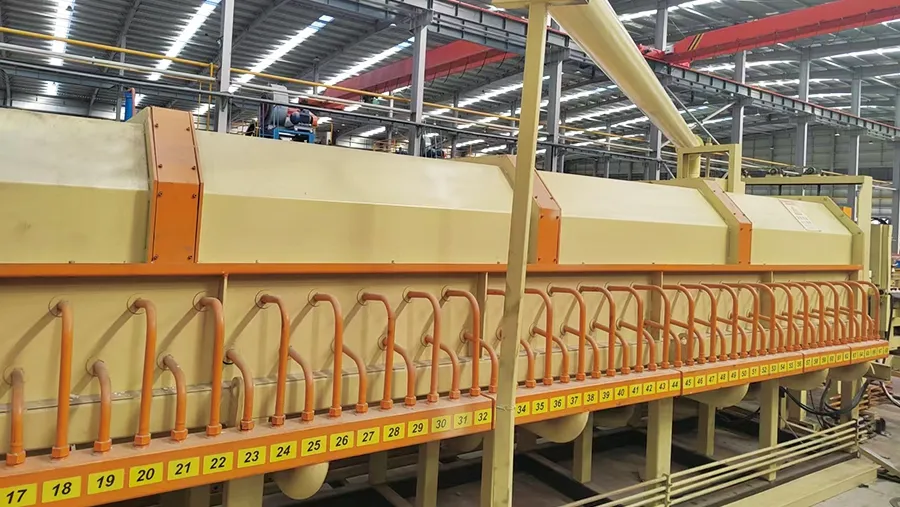
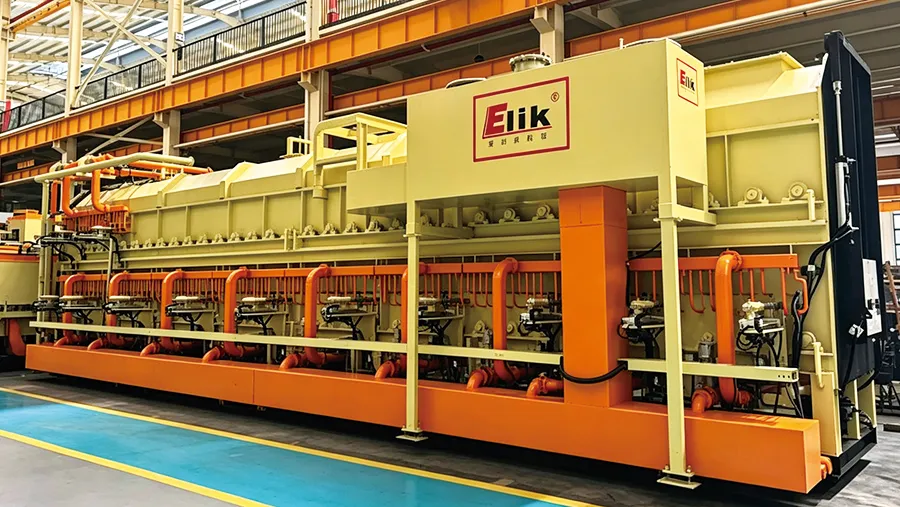
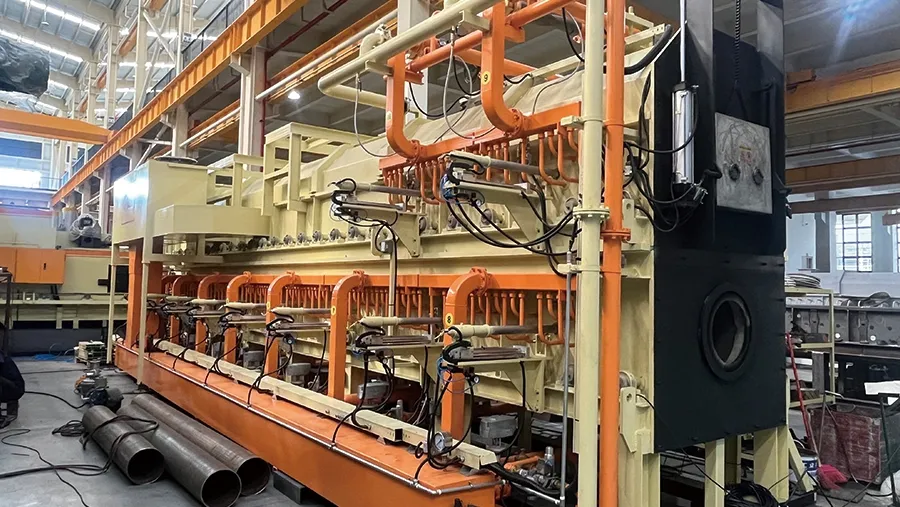
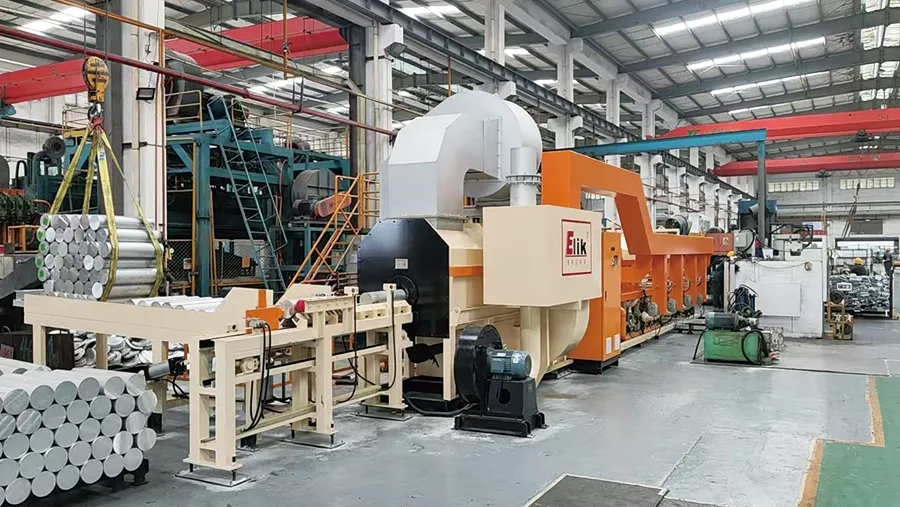
Using high-velocity direct-flame jets that are launched around the entire circumference of the log, the ELIK hot-jet single-log furnace heats one aluminum log at a time to extrusion temperature. The furnace is an ideal choice for multi-variety, small-batch production lines where alloys and specifications are subject to frequent change, as each log's target temperature can be independently adjusted to accommodate the die and alloy being used. This is due to the fact that it heats a single log on demand.
There are two methods for handling logs: short single billets that are loaded by a billet gripper/manipulator, or long logs that are attached to an integrated hot shear or hot saw for in-line cutting. In both instances, the log is transported to the press by a manipulator.
| Press tonnage | Log diameter (mm) | Heating time (min) | Extrusion cycle (s/log) | Log temp. difference (°C) | Energy (m³/t Al) | Total power (kW) |
| 600T- 1450T | Ø80- Ø152 | 25 | 90 | ≦±5 | 25 | 45 |
| 1650T-2000T | Ø178- Ø203 | 30 | 120 | ≦±5 | 24 | 65 |
| 2400T-3600T | Ø228- Ø320 | 40 | 180-210 | ≦±5 | 23 | 85 |
| 4000T-7000T | Ø330- Ø406 | 45 | 240 | ≦±6 | 22 | 90 |
| 8000T-10000T | Ø418- Ø600 | 50 | 300 | ≦±6 | 21 | 105 |
- Loading & pre-heat Cold logs (Ø80–Ø600 mm, ≤8 m) feed automatically onto the roller table into a 200–300°C pre-heat zone, using recovered exhaust heat to pre-warm for 2–5 minutes.
- Heating Logs pass an air curtain into the 450–550°C zone, where symmetrical burners on both sides heat a cold log to extrusion temperature in 25–50 minutes.
- Soaking Logs hold in a soak zone for 3–10 minutes to eliminate the core-to-surface temperature difference, improving extrusion quality and reducing die wear.
- Discharge / hot cut Logs at target temperature discharge automatically, with optional hot shear or hot saw feeding the press directly, enabling fast changeover across multiple specifications.
- Flue-gas recirculation Exhaust routes back through the pre-heat zone and heat exchanger before venting; a waste-heat recovery system with energy consumption as low as 21m³ of natural gas per tonne of aluminum.
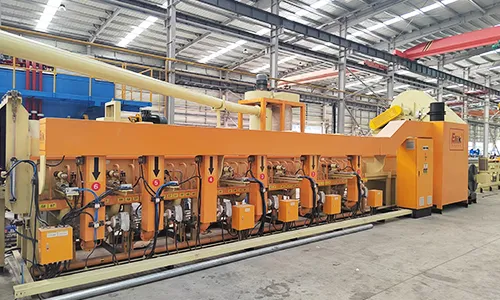
Accurate Temperature Regulation
A PLC with multi-point temperature sensors controls burner output and roller speed in real time, maintaining 3°C control accuracy and a full-length log temperature differential of 5°C to prevent overheating and underheating. Each heating zone is equipped with an independent thermocouple that protects against overheating, breakage, and short circuits. Multi-stage combustion spanning totally independent control zones allows for gradient heating, which reduces the risk of billet overheating or melting.
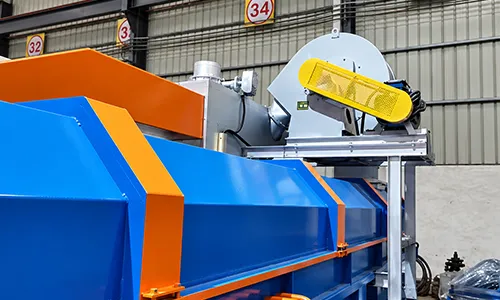
Energy Efficiency
A full-premix direct-fire system uses a Venturi mixer to mix air and gas, resulting in a steady air-fuel ratio and complete combustion. The jet pre-heat system uses a high-temperature circulation fan to drive burner heat onto the log for rapid heat-up, while a combustion-air pre-heater recovers the majority of the combustion-chamber heat: air is warmed before mixing, and the flue-gas exit temperature drops sharply to an average of no more than 120°C (measured 200mm from the stack outlet).
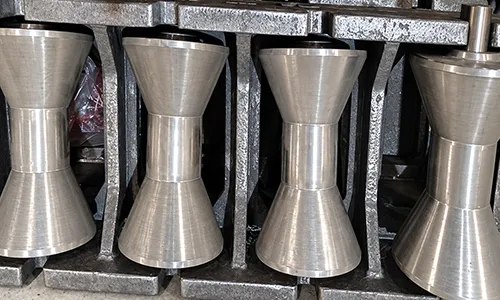
Durable Construction
In-furnace rollers are made of heat-resistant cast stainless steel, which has a long service life, high temperature tolerance, and deformation resistance. The furnace door has a compression-seal construction that ensures reliable sealing.
The furnace operates on either natural gas or LPG. Directly onto the log's surface, burners inject high-velocity flames to provide uniform heating. The heating temperature of each log is independently adjusted to meet the process requirements of the die in use, and the transition between alloy grades or sizes is rapid due to the fact that only one log is heated per cycle.
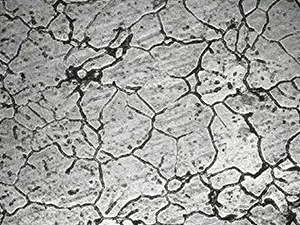
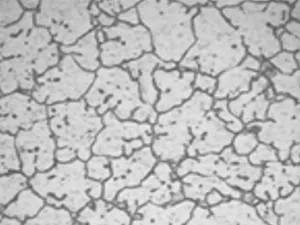

- The actual billet temperature is precisely controlled throughout the cycle.
- The PLC touchscreen control is fully automated and has the ability to record and recognise the heating time, temperature, and billet alloy. It can also select the billet.
- From the infeed and discharge of the billet to the opening of the extrusion press feed, the operation is entirely automated.