
Aluminum Quench Machine
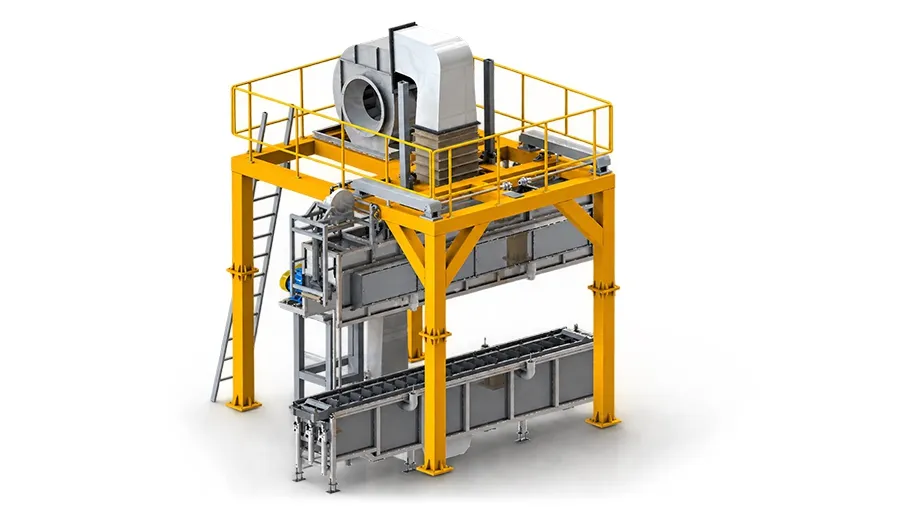
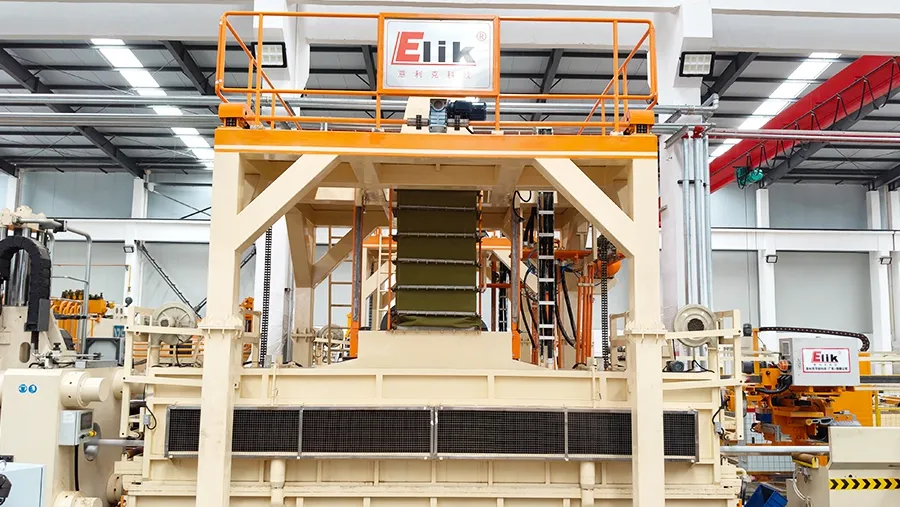
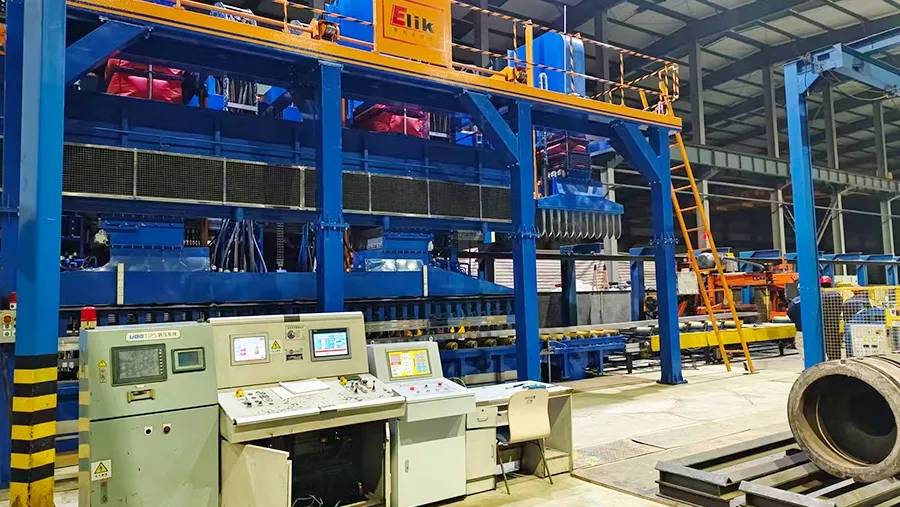
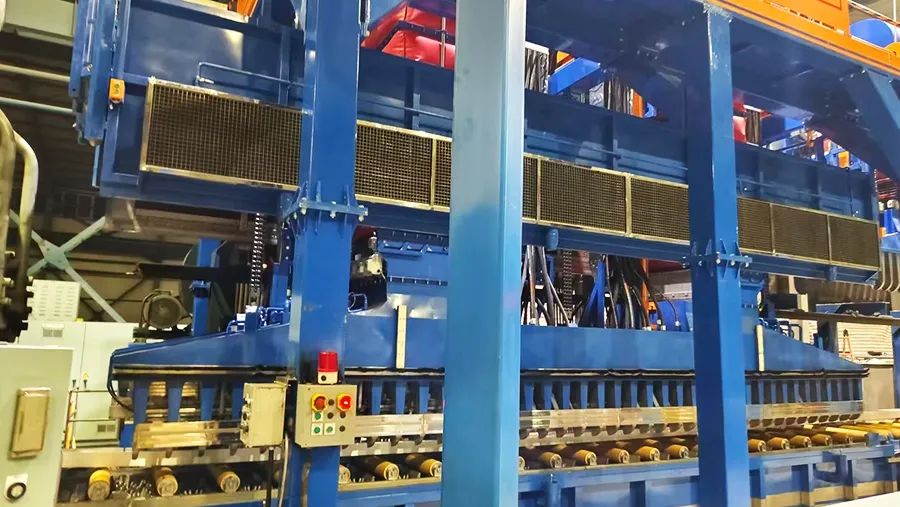
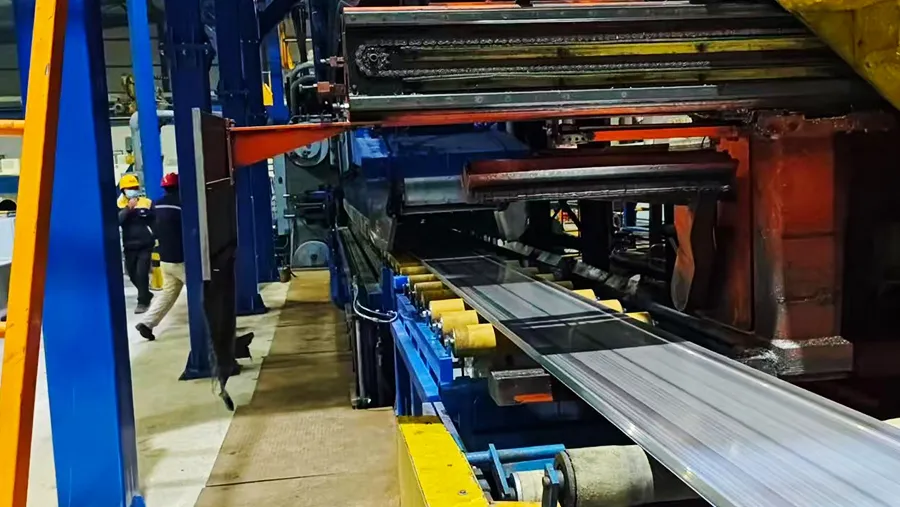
The quench system is one of the most important heat-treatment steps in the extrusion process. By rapidly cooling the profile as it exits the die, the alloying elements are locked into a supersaturated solid solution, which, after ageing, precipitates the fine strengthening phases that give the completed profile its intended strength, hardness, and mechanical performance. ELIK's quenching systems support both in-line and off-line quenching.
Specifications
| Parameter | Value | Unit |
| Max. wide-profile size | 300 × 30 | mm |
| Max. round-tube size | Φ150 | mm |
| Cooling table height | 800–850 | mm |
| Extrusion centre height | 850–1100 | mm |
| Effective water-cooling length | 6 | m |
| Water-supply pump motor power | 11 | kW |
| Max. water-supply flow | 202 | m³/h |
| External-circulation clean-water flow rate | ≥ 200 | m³/h |
| Water hardness requirement | 3–5 | °F |
| Equipment inlet water temperature | ≤ 35 | °C |
| Total installed capacity | 13 | kW |
| Main voltage | 380 ± 10% | V |
| DC voltage | 24 | V |
| AC auxiliary voltage | 220 ± 10% | V |
| AC frequency | 50 ± 10% | Hz |
| Industrial compressed-air pressure | 600 / 6 | kPa / bar |
| Max. air consumption | 2.5 | m³/min |
Advantages
- The cooling control system links in real time to the speed of the upstream puller, preventing the bending or twisting that occurs when uneven shrinkage or mismatched pulling force acts on the profile during cooling.
- Quench transfer time (die exit to start of cooling): ≤ 1 s
- Final cooling temperature: ≤ 200°C
- Full-section temperature difference: ≤ ±3 °C
- Air-blast, water-mist, and water-quench modes automatically adjust to suit different alloys and different product wall thicknesses.
| Cooling mode | Medium | Cooling rate | Application | Characteristics |
| Air quench | High-pressure forced air | 80–120°C/min | 6063; architectural profiles, thin-wall/ distortion-prone | Minimal distortion, no water staining, low cost, medium strength |
| Air + mist (mainstream) | Forced air + high-pressure ultra-fine mist | 120–250°C/min | 6061/6082; industrial profiles, general medium-thick wall | Uniform cooling, high efficiency, excellent surface quality, best overall value |
| Full water/spray | High-pressure spray or immersion | 250–350°C/min | 2-series, 7-series high-strength alloys, thick-wall | Fastest cooling, highest strength; higher stress and slight distortion, requires straightening |
Fundamental Principles
- Rapid cooling to freeze the structure (the core of quenching)
Cooling the profile quickly through the crucial region (540°C → 200 °C) avoids strengthening phases like Mg₂Si from precipitating gradually. The high-temperature solid-solution state is forced to cool to ambient temperature, resulting in a supersaturated solid solution. - Age Strengthening
The quenched profile is then heated at a low temperature, allowing the supersaturated solution to precipitate fine strengthening phases and achieve its intended strength and hardness; T5 or T6 temper. - What controls the result
Cooling rate, quench transfer time, and cross-sectional cooling uniformity all have a direct impact on both the product's mechanical qualities and surface appearance.
Elik is a company specializing in the R&D and manufacturing of aluminum extrusion processing equipment and industrial furnaces. It provides aluminum profile processors with equipment for ingot pre-treatment, inline post-extrusion handling, and offline heat treatment. Elik possesses the capability to design and deliver fully integrated production lines, with an annual production capacity of 300 energy-efficient heating furnace units and 20 complete production lines.